Regulatory basis
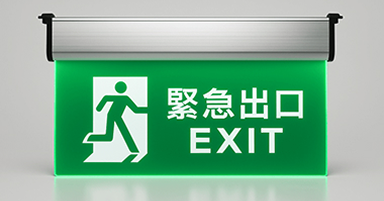
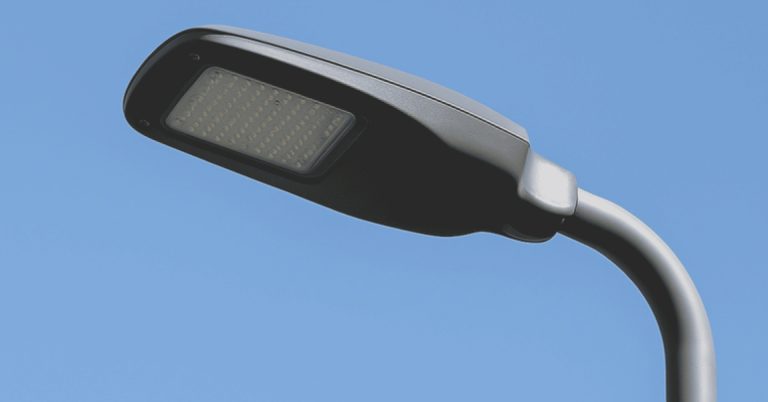
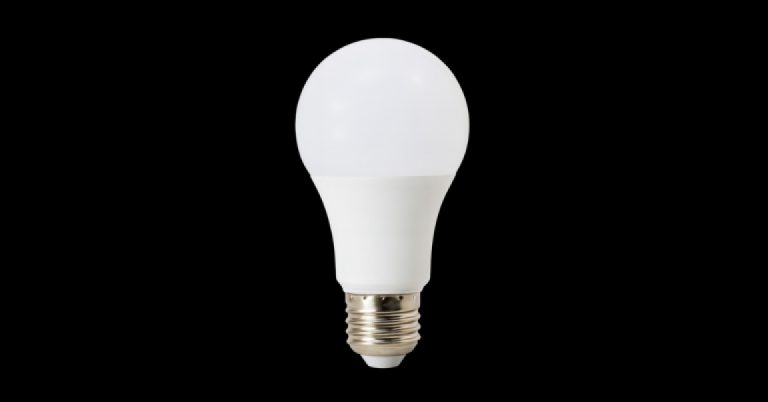
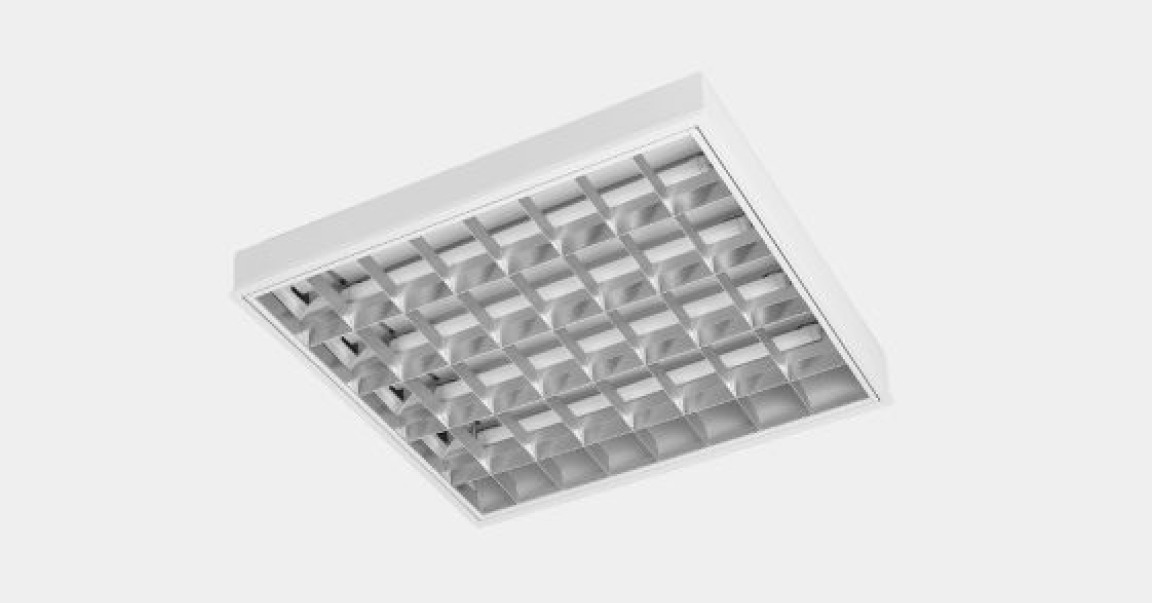
According to the announcement of the Energy Administration of the Ministry of Economic Affairs in 2024 (September 4, 113 of the Republic of China), the "Energy Efficiency Standards and Marking Methods for Energy-saving Labels for Indoor Lighting" (Nengjie Zi No. 11304005780) will be revised, and it will take effect from the date of the announcement. This amendment improves energy efficiency, light quality and marking transparency, and comprehensively upgrades energy-saving requirements for indoor lighting fixtures used in commercial, residential and public spaces.
📎 Regulatory link:Energy-saving labels for indoor lighting fixtures, energy efficiency benchmarks and marking methods
Scope of application
- Suitable for indoor lighting fixtures that comply with CNS 14335 and CNS 14115.
- However, table lamps, table lamps, bedside lamps, floor lamps, or those determined by the Energy Department to be inapplicable are not within the scope of application of this mark.
Energy efficiency benchmark
- The luminous efficiency (lm/W) is ≥125 lm/W.
- The measured value must reach more than 95% of the indicated value.
- Beam maintenance rate: 1,000 hours ≥97%; 3,000 hours ≥95%
Visual comfort and light quality
- Color rendering (Ra) ≥80, special color rendering index R9> 0.
- The power factor (PF) is ≥0.90, and the measured value must reach more than 95% of the indicated value.
- Glare index (UGR)≤19, in line with indoor visual comfort standards.
- Flicker control: Flicker Index ≤ 0.02; Percentage Flicker ≤ 2%
Light type regulations
- (1) On the axis perpendicular to the luminous surface of the lamp, the light intensity in the 0° direction should be 65% to 85% of the maximum value.
- (2) The half-peak angle must exceed 38° on both sides, and the total must be greater than 80°.
- (3) The luminous flux within the three-dimensional angle of 80° must account for more than 80% of the total luminous flux (except for those that emit light upward).
- Upward beam ratio (for chandeliers): Upward light output accounts for 7% to 14% of the total light.
- Photobiological safety: it must meet the risk-free level.
Test method
- The test conditions are based on CIE 70, 84, and 121 for light intensity and light distribution testing.
- The angle spacing is ≤2.5°, and the luminous flux is subject to the measured results of the goniophotometer.
- Color rendering and color temperature: according to CNS 15437, 15497, 16047 test methods.
- Glare and flicker: tested according to CIE 117 and CIE TN 006:2016 standards respectively.
Product labeling requirements
Products and catalogs need to be clearly marked:
- The user name and address of the energy-saving mark.
- If it is sold by an agent, the manufacturer's name and address must be marked at the same time.
- It should be marked: rated power, total luminous flux, color rendering, color temperature, luminous efficiency, power factor, photobiological safety, flicker index and flicker percentage.
Jinghong recommends
- Early sample delivery for testing: There are many types of indoor lamps and lanterns. It is recommended that manufacturers arrange light efficiency, UGR and flicker tests half a year in advance.
- Introduction of specifications in the design stage: energy-saving and visual comfort conditions are included in the early stage of research and development to reduce the risk of late retest.
- Integrated documentation and testing: Jinghong Inspection provides CNS and CIE standard testing, optical performance analysis and document guidance to assist the industry in completing the submission for review at once.
Jinghong Inspection will continue to track the latest regulatory developments and provide complete product testing and compliance advice services to help the industry successfully respond to the requirements of the new version of the recognized benchmark.
Extended learning(Audio-visual version)
If you want to quickly grasp it by listening, we have also compiled a complete audio and video commentary.:
Disclaimer
This article is for industry information reference only and does not constitute legal or technical advice. Please refer to the official announcement of the competent authority and the original text of the official regulations.
For inquiries, please contact: Ms. Wang, JHEt (05)599-0970~72
Email: [email protected]